
Benefits of Using Birds of Prey for Pest Control Over Traditional Methods
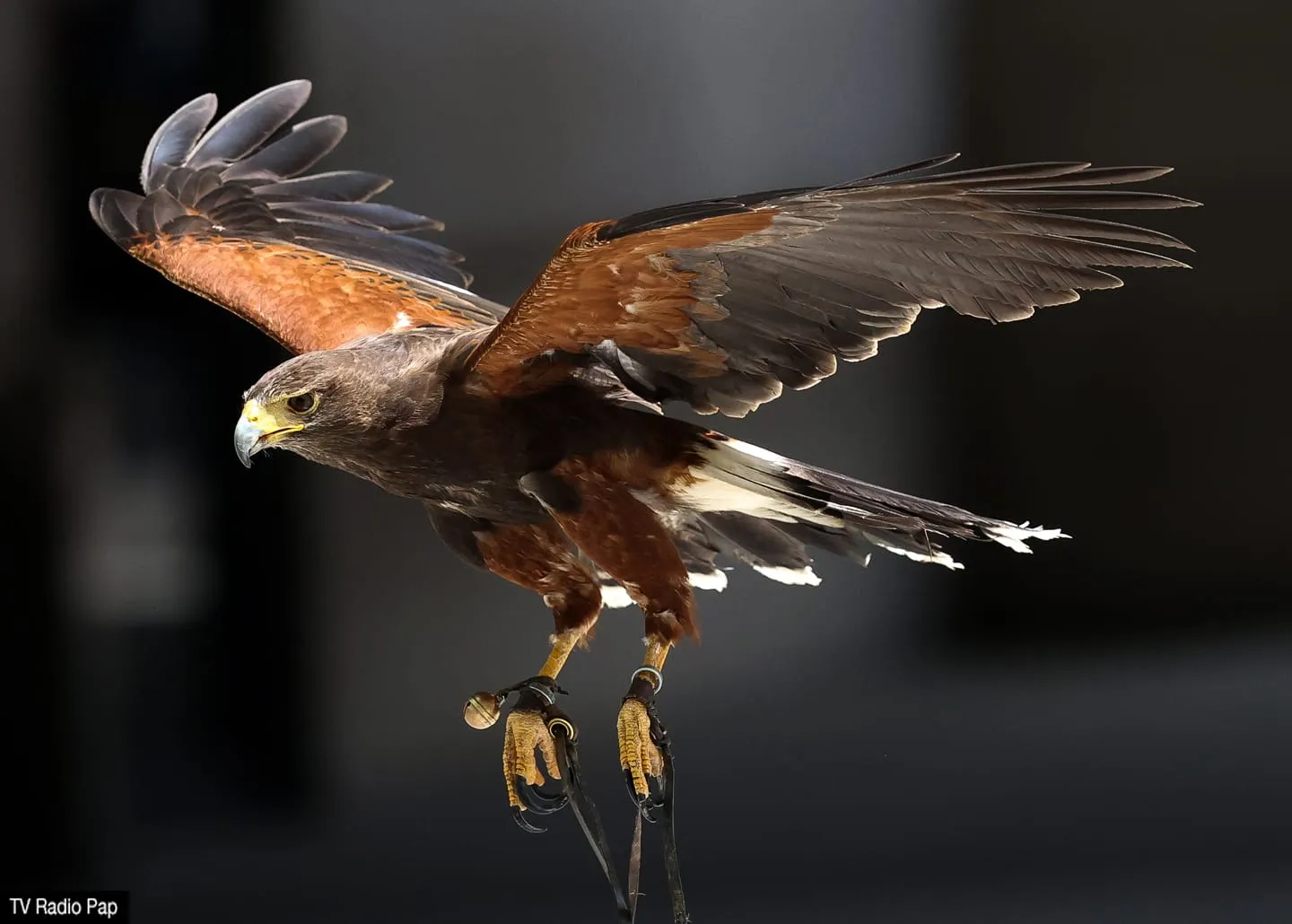
Bird pest problems are a widespread concern across the UK
Explore the advantages of using hawks and falcons for bird pest control. A humane, eco-friendly, and effective long-term alternative to traditional methods in the UK.
Introduction
Bird pest problems are a widespread concern across the UK, affecting farms, commercial properties, public spaces, and heritage sites. Pigeons, seagulls, and other nuisance birds can cause structural damage, hygiene issues, and long-term maintenance costs. While traditional deterrents like netting, spikes, and chemical solutions have been the norm for years, a growing number of organisations are turning to a more natural and sustainable approach: using birds of prey for pest control.
This method, rooted in the age-old practice of falconry, provides a powerful combination of effectiveness, environmental responsibility, and long-term value.
1. Humane and Environmentally Friendly
Unlike chemical deterrents or physical traps, using trained birds of prey such as hawks and falcons is a non-lethal, ethical solution. Pest birds are not harmed but are naturally discouraged from remaining in the area.
- No toxic substances or poisons used
- No physical harm to pest species
- Helps maintain ecological balance
This makes hawk pest control an ideal choice for businesses or councils committed to sustainability and biodiversity.
2. Effective, Long-Term Deterrence
Pest birds quickly recognise birds of prey as a threat. The presence of a hawk or falcon triggers an instinctive response, leading birds to vacate the area and avoid returning.
- Natural predator presence promotes ongoing deterrence
- Reduces nesting and roosting over time
- Less need for repeated interventions compared to noise devices or gels
Unlike fixed deterrents that birds can grow accustomed to, birds of prey provide a dynamic and unpredictable presence that sustains its effectiveness.
3. Cost-Effective Over Time
While the upfront cost of a falconry-based pest control programme may be higher than installing spikes or netting, the long-term savings often outweigh the initial investment.
- Reduced cleaning and maintenance costs
- Fewer repairs from bird-related damage
- Decreases in health and safety risks associated with droppings and debris
With fewer replacements and lower ongoing costs, hawk pest control offers excellent return on investment.
4. Versatile and Adaptable for Complex Environments
Birds of prey are highly adaptable and can be deployed across a wide range of settings, from city centres and retail parks to agricultural land and landfill sites.
- Reach areas where netting or spikes aren’t practical
- Can be tailored to suit both open spaces and confined locations
- Complements other pest management strategies
Their mobility and flexibility make hawks particularly useful in challenging or expansive environments.
5. Fully Compliant with UK Wildlife Laws
Responsible use of birds of prey for pest control is fully legal in the UK, provided that it adheres to established best practices and legislation.
- Complies with the Wildlife and Countryside Act 1981
- Aligns with RSPCA and DEFRA recommendations on humane pest control
- Enhances corporate social responsibility and public perception
By choosing falconry-based methods, organisations demonstrate a commitment to ethical and lawful pest management.
A Natural Solution That Works
Choosing birds of prey for pest control isn’t just a modern trend — it’s a return to a natural, intelligent form of deterrence. Humane, cost-effective, and adaptable to complex environments, this approach is gaining traction among organisations seeking long-term results without compromising environmental standards.
Related Articles
Here are some related articles, or if you would like to see more articles go back to the pest control blog.