
Is Hawk Pest Control Humane? Addressing Common Concerns
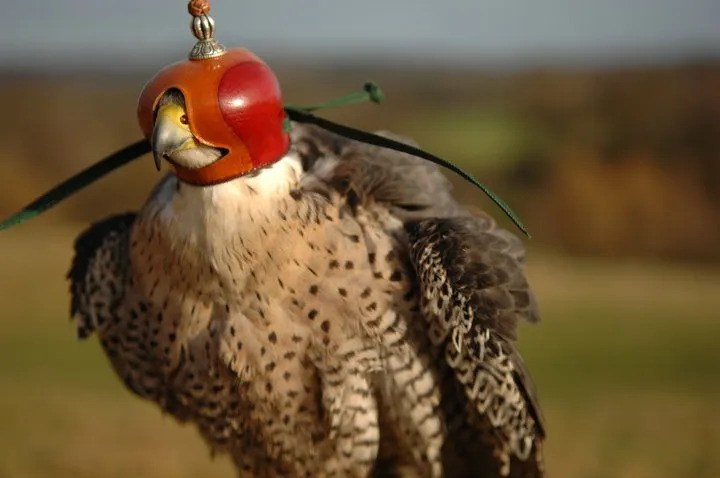
A primary concern among property owners is the welfare of both the birds.
Explore the ethics and effectiveness of hawk pest control in the UK. Learn how this humane method offers a natural solution to bird-related challenges.
Introduction
As urban areas expand across the UK, businesses and property owners increasingly encounter challenges posed by pest birds such as pigeons, gulls, and starlings. These birds can cause structural damage, pose health risks, and lead to significant maintenance costs. Traditional deterrents like netting and spikes often prove intrusive or ineffective, prompting a shift towards more natural solutions. One such method gaining popularity is hawk pest control. But how humane is this approach? This article delves into the ethics, effectiveness, and legal considerations surrounding the use of birds of prey for pest control.
Understanding Hawk Pest Control
Hawk pest control, also known as falconry-based bird deterrence, involves deploying trained birds of prey—such as Harris’s hawks or peregrine falcons—to patrol areas plagued by pest birds. The mere presence of these natural predators instils fear in nuisance birds, prompting them to vacate the area without direct confrontation. Unlike lethal methods, this technique leverages the instinctual behaviours of both predator and prey to achieve a harmonious balance.
Ethical Considerations
Non-Lethal Deterrence
A primary concern among property owners is the welfare of both the pest birds and the birds of prey. It’s essential to note that in professional hawk pest control:
- No harm comes to the pest birds: The objective is to scare, not to kill.
- Birds of prey are trained not to engage: Their role is to patrol and deter, not to hunt.
This method ensures that the ecological balance is maintained without unnecessary harm.
Welfare of Birds of Prey
The birds employed in hawk pest control are not wild-caught but are bred and trained in controlled environments. Their training involves acclimatisation to various urban settings, ensuring they remain calm and effective in diverse scenarios. Handlers prioritise the health and well-being of these birds, providing regular veterinary care, balanced diets, and adequate rest periods.
Legal Framework in the UK
In the UK, all wild birds are protected under the Wildlife and Countryside Act 1981. This legislation prohibits the killing or harming of birds, making non-lethal deterrents like hawk pest control not only ethical but also legally compliant. Moreover, professional pest control companies ensure that their practices align with guidelines set by Natural England and other regulatory bodies, obtaining necessary licences when required.
Advantages Over Traditional Methods
- Environmentally Friendly: No chemicals or poisons are used, reducing environmental contamination.
- Adaptability: Birds of prey can access areas where netting or spikes are impractical.
- Public Perception: Using natural predators is often viewed more favourably by the public compared to other deterrents.
- Effectiveness: Pest birds quickly learn to associate the presence of predators with danger, leading to long-term deterrence.
Addressing Common Misconceptions
“Won’t the hawks harm the pest birds?” No. The primary goal is deterrence. Trained birds of prey are conditioned to patrol areas without engaging in hunting behaviours.
“Isn’t it stressful for the birds of prey?” Professional handlers ensure that the birds are well-cared for, monitoring their health and stress levels. Regular breaks, proper nutrition, and medical check-ups are standard practices.
“Are there legal risks involved?” When conducted by certified professionals, hawk pest control adheres to all UK wildlife protection laws, minimising any legal concerns.
Hawk pest control emerges as a humane, effective, and legally compliant method for managing pest bird populations in the UK. By leveraging natural predator-prey dynamics, this approach offers a sustainable alternative to traditional deterrents.
For further insights into bird deterrence methods and their applications across various industries, explore our related articles:
Related Articles
Here are some related articles, or if you would like to see more articles go back to the pest control blog.